1. Why Hotels Are Perfect for Solar Hot Water
Solar economics improves when your building has three characteristics: consistent demand, high energy price, and available installation space. Hotels often have all three.
Hotel advantage: hot water demand is stable, predictable, and year-round
Where hotel hot water energy goes
Guest rooms: showers and basins (morning + evening peaks)
Laundry: continuous or daily batches, often at higher temperatures
Kitchens: dishwashing, cleaning, sanitation
Housekeeping: frequent cleaning and turnover demand
2. Solar Thermal vs PVT: Which System Fits a Hotel Best?
Hotels typically evaluate three pathways: solar thermal (heat only), PVT (heat + electricity), or hybrid combinations (solar + heat pump + backup boiler).
| Option | What it Delivers | Best When |
|---|---|---|
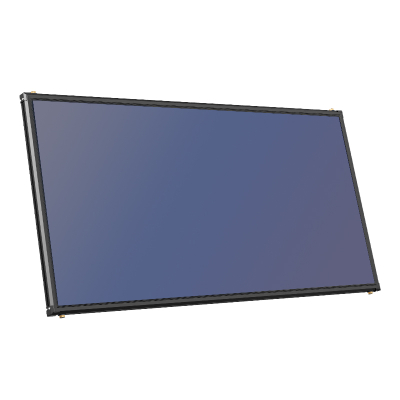
| Solar Thermal (flat plate / evacuated tube) | Hot water / heat only | Hot water is the main objective and roof area is sufficient |
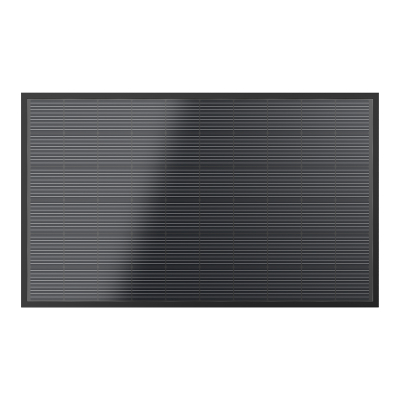
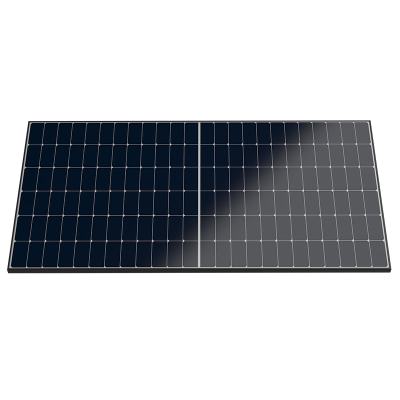
| PVT (photovoltaic-thermal) | Electricity + hot water | Roof space is limited or electricity offset is also important |
| Solar + Heat Pump + Backup | High coverage + stable temperature control | You want higher annual solar utilization and consistent output under variable occupancy |
In practical hospitality projects, PVT is increasingly selected because it maximizes energy output per square meter of roof area. When your roof hosts HVAC equipment, walkways, skylights, and other infrastructure, PVT helps you achieve more with less space.
3. Typical Hotel System Layout (Simple, Not “Over-Engineered”)
Many hotel owners worry about complexity. In reality, a commercial solar hot water system can be straightforward when designed properly. The core concept is preheating: solar raises incoming water temperature, and the existing boiler or heat pump tops up only what is needed.
Common layout (recommended)
Solar collectors / PVT array → heat exchanger → solar storage tank
Solar tank output → buffer / DHW tank (or mixing valve) → distribution to rooms
Backup heater (boiler or heat pump) maintains setpoint during low solar periods
Control logic prioritizes solar contribution first
4. Sizing Logic: What Drives Performance (and Payback)
Correct sizing is the difference between a system that delivers real savings and a system that looks good on paper but underperforms. For hotels, sizing should start with DHW consumption, not panel area.
Key inputs for accurate sizing
| Input | Why it Matters | Typical Data Source |
|---|---|---|
| Rooms / occupancy rate | Defines daily hot water volume and peaks | Hotel statistics / PMS data |
| Hot water setpoint & cold-water inlet temperature | Determines thermal lift (energy required) | Local climate + plumbing specs |
| Laundry and kitchen load | Often a major hidden DHW demand | Operations schedule |
| Roof orientation & shading | Impacts annual solar yield | Site survey / satellite imagery |
| Space for storage tanks | Storage enables higher solar utilization | Plant room planning |
A practical design target for many hotels is to cover 40–60% of annual DHW energy with solar, then rely on backup systems for stability. In good solar climates, higher coverage can be achieved—but overly aggressive sizing can increase stagnation risk and reduce total system efficiency.
5. What Savings Can Hotels Realistically Expect?
Savings depend on fuel type (diesel, LPG, natural gas, electricity), local irradiation, and occupancy. In many real projects, solar hot water reduces DHW energy cost by 30–70%.
Factors that improve ROI
High energy price (diesel/LPG-based hot water is especially expensive)
High occupancy and stable year-round usage
Proper storage sizing (more solar utilization, less wasted heat)
Short pipe runs and good insulation (lower thermal losses)
PVT when roof space is limited (dual value per m²)
6. The 7 Most Common Mistakes in Hotel Solar Hot Water Projects
Ignoring laundry and kitchen demand (system ends up undersized)
Oversizing without enough storage (stagnation and wasted heat)
Poor insulation on pipes and tanks (savings vanish as heat losses)
Long pipe distances between roof and plant room (higher losses and pump energy)
No reliable backup strategy (guest comfort becomes a risk)
Weak control logic (solar not prioritized, backup runs unnecessarily)
Designing for “average day” only (no plan for peak occupancy or low-sun periods)
7. Why an Engineering-Oriented Approach Matters (Soletks Solar Perspective)
Hotel owners care about comfort, reliability, and predictable savings. That is why system design should be engineering-first—especially in commercial projects. An engineering-oriented supplier such as Soletks Solar typically focuses on:
Load matching based on occupancy patterns and operation schedules
Solar fraction design targets that protect reliability and ROI
Hydraulic design, heat exchanger selection, and control strategy
Practical installation planning (roof constraints, maintenance access, plant room layout)
The result is a system that performs as expected—not only in simulation, but in day-to-day hotel operation.
Share three items—location, number of rooms, and current hot water energy source (diesel/LPG/electric/boiler/heat pump). We can recommend a practical pathway (solar thermal, PVT, or hybrid) with sizing logic and expected savings ranges.
Conclusion
Hotels and eco-resorts have one of the most solar-friendly energy profiles in commercial buildings: stable, year-round hot water demand. A well-designed solar thermal or PVT system can reduce DHW energy costs dramatically without compromising guest comfort.
If roof space is limited and electricity offset is also valuable, PVT becomes an increasingly strong option because it delivers two energy streams from one installation footprint.